Water Heater Repair in Oregon City, OR
Start with what the tank is doingNo hot water, showers that turn cold halfway through or water pooling around the tank usually have a clear cause and a clear fix.
Gas tank or electric tank?
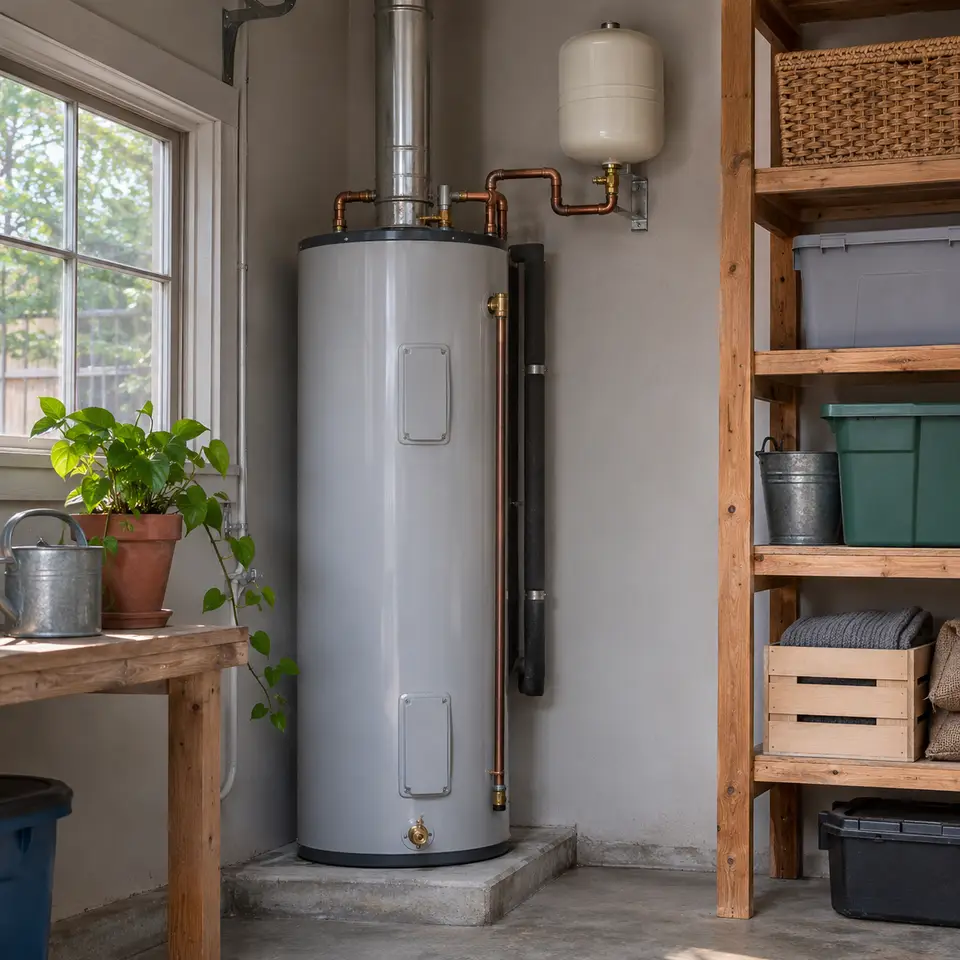
Water heater repair in Oregon City depends first on how your tank heats. The label on the side and the parts at the bottom tell you which one you have.
Gas tank heaters
- A flue pipe on top and a burner at the bottom
- A pilot or electronic igniter
- Typical trouble is a pilot that keeps dying, a tired thermocouple or a sooty burner
- Never work near the burner if you smell gas
Electric tank heaters
- No flue, a power cable to the top
- One or two heating elements behind panels on the side
- Common faults include a burned out element, a failed thermostat and a tripped breaker
- Always switch the breaker off before opening a panel
Say which type you own on the call. Snapping the rating plate on the tank lets the plumber pack the matching parts.
What the symptom usually means
Most water heater problems fit one of a few patterns.
- No hot water at all
- A pilot that went out, a failed igniter or element, or a tripped breaker.
- Hot water runs out fast
- Sediment taking up space in the tank, or one of two electric elements failing.
- Water too hot or too cool
- A thermostat set wrong or failing.
- Rumbling or popping
- Sediment at the bottom of the tank that water bubbles through as it heats.
- Rusty or smelly hot water
- A depleted anode rod or rust forming in the tank.
- Water around the base
- A leaking drain valve, a relief valve releasing water or a tank that has rusted through.
When a leaking tank needs care right away
Water around a water heater can be a small fitting drip or the tank itself failing. Treat it with care either way.
- Find where the water comes fromDry the area and watch. Drips from the top fittings or the drain valve are often repairable.
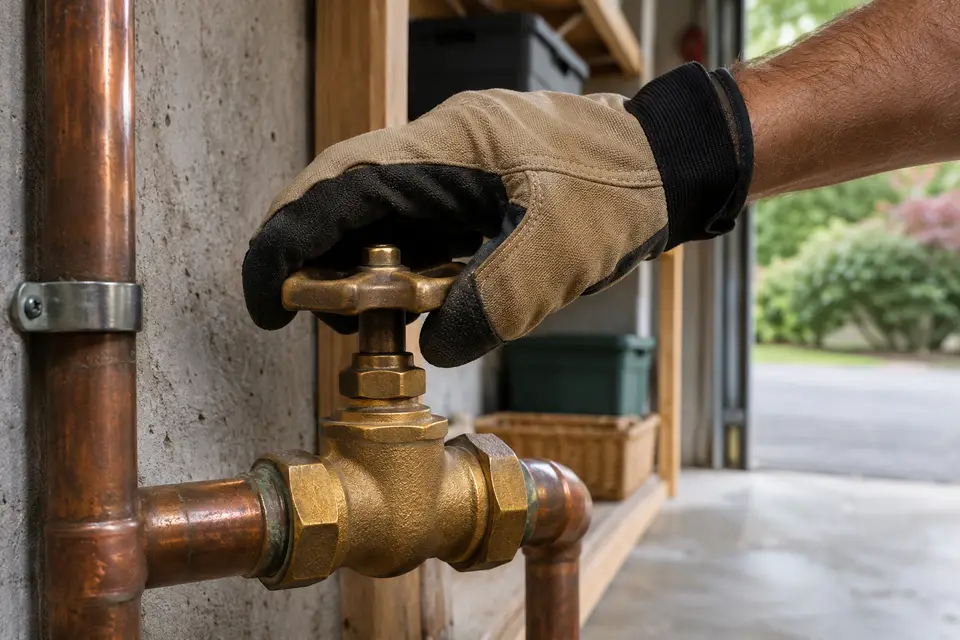
- Close the cold supply valveThis valve sits on the pipe into the top of the tank. Closing it stops the tank refilling.
- Turn off the heat sourcePut a gas unit on its pilot setting, or cut the breaker feeding an electric one.
- Keep the area clearMove boxes and anything that can soak up water, and keep children and pets away from hot water.
If water is coming from the tank body or from under the jacket, the tank has usually rusted through and needs replacing rather than repairing.
Repairs a plumber can usually make
Igniters and thermocouples
On gas tanks, a pilot that will not stay lit is often a worn thermocouple or igniter, a quick part to replace.
Heating elements and thermostats
On electric tanks, a burned out element or failed thermostat is replaced and tested.
Valves and fittings
Dripping drain valves, leaking supply fittings and a misbehaving relief valve can all be replaced.
Flushing sediment
Draining and flushing the tank removes sediment that causes noise and short hot water.
Before any repair, the plumber checks the age of the tank and the condition of the parts, so you know whether a repair makes sense or a replacement is wiser.
Repair or replace the tank
A tank heater stays with a house for years, so its age matters when something breaks. Roughly speaking, most tanks give eight to twelve years, more or less depending on the water and upkeep.
- A young tank with a failed part is usually worth repairing.
- An older tank with repeated problems may be nearing replacement.
- A tank leaking from its body always needs replacing.
- Rusty hot water on an older tank is a warning sign worth acting on.
Our guide on how long a water heater lasts explains how to read the age from the label and which signs point to the end of its life.
Looking after the tank between visits
A little care keeps a water heater working well for longer.
- Drain out sediment yearly, either yourself or during a plumber visit.
- Test the temperature and pressure relief valve once a year by lifting its lever briefly.
- Keep the area around a gas tank clear of boxes and anything flammable.
- Set the temperature to a comfortable level so the tank is not overworked.
- On a tank worth keeping, get the anode rod inspected every few years.
Water temperature and safety
Hot water should be comfortable, not scalding. A setting that runs too hot can burn skin in seconds, especially for children and older family members.
- A moderate setting is comfortable for most homes and easier on the tank.
- If the temperature swings from warm to scalding, the thermostat may be failing.
- The relief valve opens if temperature or pressure climbs too high, which is a sign something needs checking.
- Never cap or plug the relief valve pipe, even if it drips.
If you are not sure what your tank is set to, ask the plumber to check it during the visit.
Sounds a water heater makes and what they mean
| Sound | Usual cause | What to do |
|---|---|---|
| Popping or rumbling | Grit settled on the floor of a gas tank | Flushing often helps |
| Sizzling | Water dripping onto a hot burner or element | Look for a leak and call |
| Ticking in the pipes | Pipes expanding as hot water flows | Usually harmless |
| A high whistle | A partly shut or worn valve | Have the valve checked |
| Hissing near the top | A relief valve releasing water or steam | Call right away |
A new noise on its own is rarely urgent, but a noise together with water on the floor or a smell of gas always is.
Questions about water heater repair in Oregon City
No hot water
Can I relight a gas pilot myself?
Usually, by following the instructions printed on the tank. A pilot that goes out again soon after points to a worn thermocouple or igniter. Never attempt it if there is any smell of gas.
Why did my electric water heater stop working?
A tripped breaker, a burned out element or a failed thermostat are the usual causes. If the breaker trips again after resetting, leave it off and call.
Leaks and noises
What does a drip from the side pipe of the tank mean?
That pipe comes from the relief valve. Water there means the valve is releasing pressure or heat, or the valve itself is worn. Either way it needs a look.
Is a rumbling water heater dangerous?
Rumbling usually means sediment buildup. It is not an emergency, but it makes the tank work harder and wear faster, so flushing it is worthwhile.
Can a small leak at the base be repaired?
If it comes from the drain valve or a fitting, often yes. If it comes from the tank itself, the tank needs replacing.
Planning ahead
Is it smart to swap the tank before it gives out?
If the tank is older and showing warning signs such as rust or leaks, planning a replacement avoids a flooded garage. A younger tank in good shape can keep going.
Do you work on tankless water heaters?
Mention it when you call. The plumber can tell you whether the problem is one they can repair on your unit.
Why does my hot water smell like eggs?
An odor that shows up only in hot water usually comes from the anode rod reacting with the water inside. Fitting a different anode rod tends to cure it.
Why are hot showers shorter than they used to be?
Grit piling up on the tank floor is the usual reason. On an electric heater the lower element may have burned out, and a cracked dip tube can mix cold water in too early. Each can be checked on a visit.
Is it safe to raise the temperature setting?
Higher settings scald faster, especially for children and older adults. Most households do well near the middle setting, so ask the plumber before turning it up.
Why is my hot water rusty?
Rust colored hot water often means the anode rod is spent and the tank is starting to corrode inside. If the cold water is clear, the tank is the likely source.