
Plumbing Guides for Oregon City Homes
See every guideShort, practical guides for the plumbing questions homeowners ask most, written for houses in a long, wet season.
Plumbing guides for Oregon City homes, all in one place
These plumbing guides for Oregon City homes explain what is happening, what you can safely do and the point where a plumber should take over.
- Plumbing emergency first stepsTen careful minutes, one step after another
- Turning off the water to the houseWhere the valves usually are and how they turn
- Water in the crawl spaceTelling a pipe leak from rainwater under the house
- A water meter that keeps runningA ten minute test that finds hidden leaks
- Gurgling drainsWhich sounds are harmless and which mean a clog
- How long a water heater lastsReading the age and spotting the signs of wear
Which guide to read first
Reading this in the middle of a problem? Jump to the guide that fits what is going on this minute.
| What is happening | Read this first |
|---|---|
| Water is spraying, pouring or dripping through a ceiling | Plumbing emergency first steps |
| You need the water off and cannot find the valve | Turning off the water |
| The ground under the house looks wet | Water in the crawl space |
| The meter moves with everything turned off | A running water meter |
| Drains bubble or gurgle as they empty | Gurgling drains |
| The water heater is old, noisy or rusty | Water heater age |
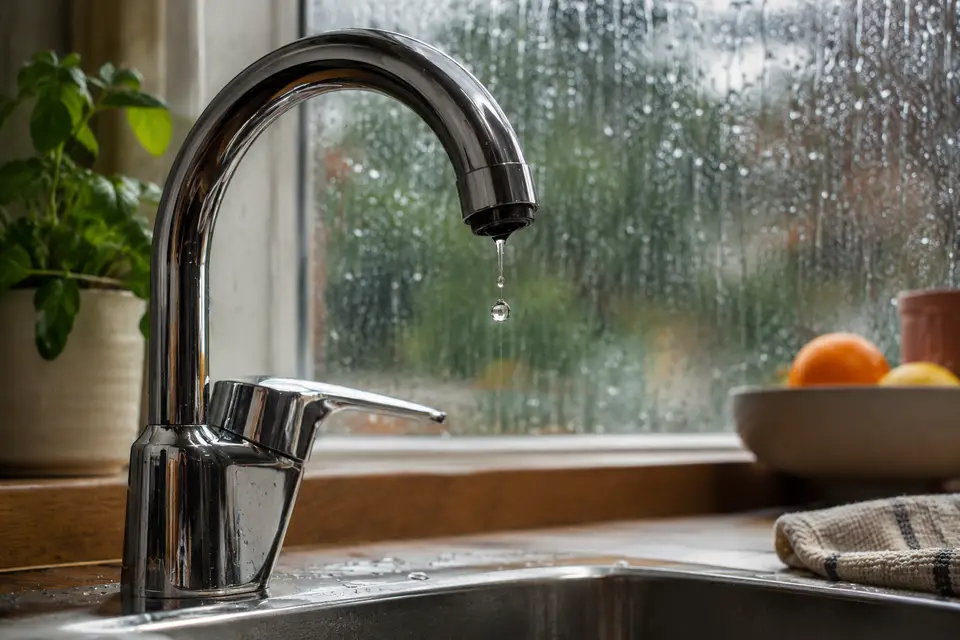
Why these guides focus on damp and leaks
Winters here are mild, rain lingers for months and crawl spaces and attics rarely dry out completely. Questions about plumbing follow that pattern.
- Leaks hide longer when everything around them is already damp.
- A running meter is often the first sign of a leak under the house.
- A rare hard freeze catches pipes in garages and crawl spaces off guard.
- Water heaters tucked into garages and closets can leak unseen.
Each guide links to the matching repair page, such as leak detection or burst pipe repair, for when the problem needs a plumber.
When to stop reading and call
Guides are for understanding a problem, not for taking apart pipes under pressure. Stop and call when any of these is true.
- Water is spreading and you cannot stop it at a valve.
- Water has reached sockets, cords or a light.
- You smell gas near the water heater or anywhere in the house.
- More than one drain is backing up together.
- A valve will not turn without forcing it.
For everything else, the guides help you describe the problem clearly, which makes the visit quicker. The full list of repairs is on our plumbing services page.
Guides by season
Plumbing questions change with the weather. These are the guides that matter most at each time of year in a wet climate.
| Season | What to watch for | Guide |
|---|---|---|
| Late fall | Testing valves and protecting outdoor faucets before cold weather | Turning off the water |
| Winter | Damp crawl spaces and the occasional hard freeze | Water in the crawl space |
| Early spring | Leaks that show up as outdoor faucets come back into use | A running water meter |
| Any time | Slow and gurgling drains, aging water heaters | Gurgling drains and water heater age |
How to use a guide during a problem
- Make the house safeStop the water, stay clear of electricity and leave if you smell gas.
- Find the matching guideUse the table above to pick the guide for what you see.
- Follow the safe checksEach guide lists checks that need no tools and carry no risk.
- Call when the guide says soEvery guide marks the point where a plumber should take over.
Questions about the guides
Using the guides
Are these guides a substitute for a plumber?
No. They help you stay safe, limit damage and describe the problem. Repairs on pressurized pipes, gas water heaters and buried lines belong with a licensed plumber.
Which guide should every homeowner read?
Start with the shutoff guide. Knowing where your main valve is and that it turns saves more damage than anything else.
Do the guides apply to older and newer homes?
Yes. Where older and newer homes differ, such as valve types or pipe materials, the guides point it out.
How often are the guides updated?
When plumbing advice changes or homeowners ask new questions, the guides are updated to match.
Can I print a guide to keep near the main valve?
Yes. The shutoff and emergency guides are worth printing and keeping where everyone in the house can find them.
Do the guides cover sewer problems?
Only for safety, like what to do when every drain fills at once. The main sewer line beneath the yard is not something we work on.
Which guide helps with a leak I cannot see?
Start with the running meter guide. It shows whether water is escaping and splits the house into parts so you know where to look next.
Is there a guide for a toilet that runs nonstop?
The toilet repair page covers running toilets in detail, including the dye test that shows a leaking flapper. See toilet repair.
What should I read if my water heater is old?
The water heater age guide explains how to read the date on the label and which signs point to the end of its life.
What is the most common plumbing problem in a wet climate?
Hidden leaks that go unnoticed because everything around them is already damp, such as a drip in the crawl space or a seeping toilet seal. A quick meter test now and then catches most of them early, long before the damage spreads into floors and walls.
Are the guides written for renters too?
Yes. Most steps, such as closing a fixture valve or stopping an overflowing toilet, apply to any home. Renters should tell their landlord about any leak as soon as the water is stopped.
Do the guides recommend products or brands?
No. They explain what is happening and what you can safely check, without pointing you to any product.
Can I suggest a topic for a new guide?
Yes. Write to us with the plumbing question you had, and it may become a guide for other homeowners.